.
Free delivery for orders over $150 except DG chemicals* & Rural areas.
$ All Prices are in New Zealand Dollars

FLASK STAND

$ 9.90 excl. GST

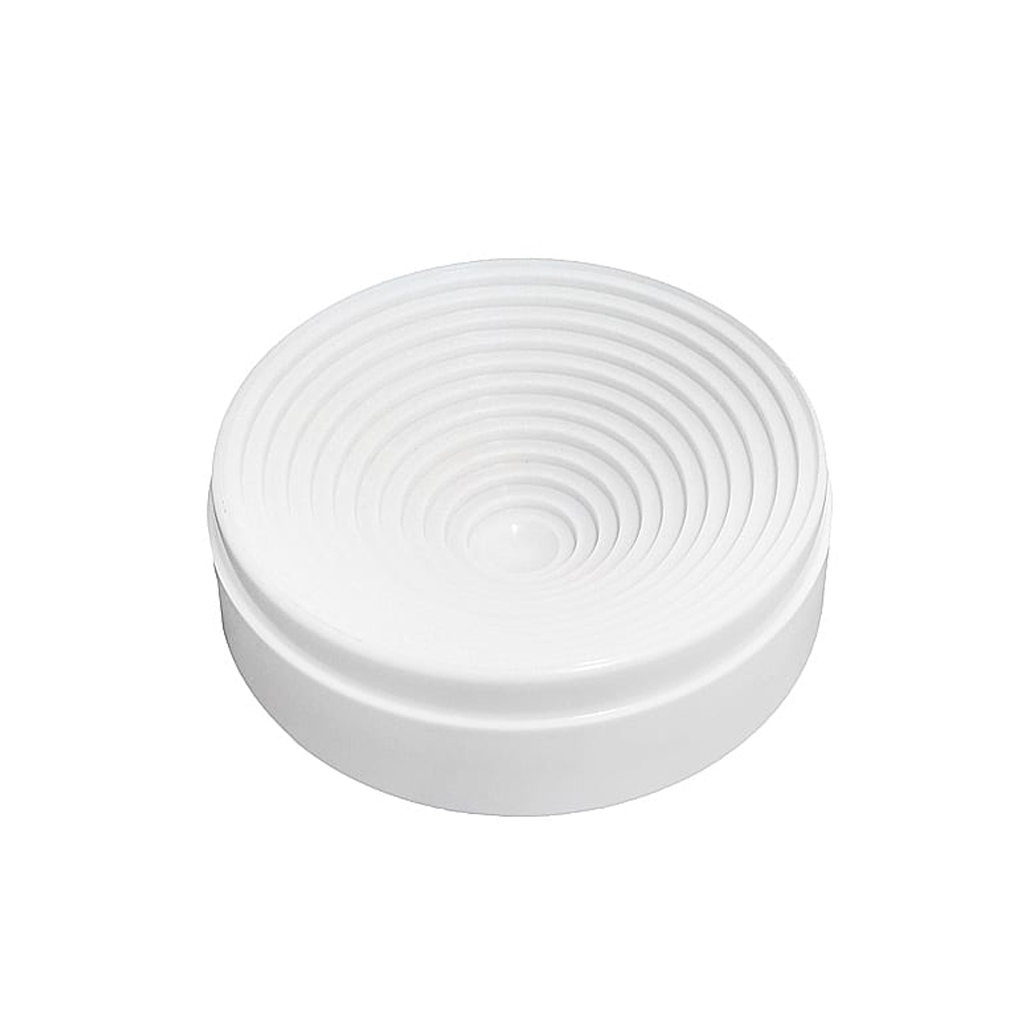
•  This Flask Stand suitably holds most round bottom flasks up to 10-Litre capacity.
•  Made of sturdy durable polypropylene plastic, this mold design has concaved stepped concentric rings that gives a multi-level stair-like top view.
•  Each ribbed step provides excellent stability to firmly support the round bottom flask securely at every point of contact.
•  Good high chemical resistance not affected by spilled acids, alkalis or other corrosive liquids holding up well in any lab environment.
•  Autoclavable at 121°C (Degrees Celsius) (250°F) to safely support hot flasks up to approx. +100°C (Degrees Celsius) /180°F briefly (120°C/248°F for short periods) without damage to the holder.
•  Stackable to save bench space or add height.

Out of stock. (can be backordered).

SKU: HE45105 Categories: , , , ,

Got a question?

We can answer any questions you have about FLASK STAND

This field is for validation purposes and should be left unchanged.
FLASK STAND

•  This Flask Stand suitably holds most round bottom flasks up to 10-Litre capacity.
•  Made of sturdy durable polypropylene plastic, this mold design has concaved stepped concentric rings that gives a multi-level stair-like top view.
•  Each ribbed step provides excellent stability to firmly support the round bottom flask securely at every point of contact.
•  Good high chemical resistance not affected by spilled acids, alkalis or other corrosive liquids holding up well in any lab environment.
•  Autoclavable at 121°C (Degrees Celsius) (250°F) to safely support hot flasks up to approx. +100°C (Degrees Celsius) /180°F briefly (120°C/248°F for short periods) without damage to the holder.
•  Stackable to save bench space or add height.

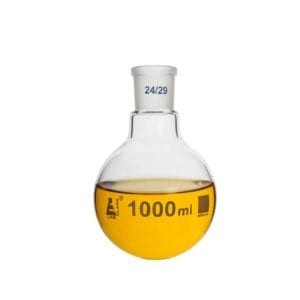
(Wikipedia excerpt: ..."...Round-bottom flasks (also called round-bottomed flasks or RB flasks) are types of flasks having spherical bottoms used as laboratory glassware, mostly for chemical or biochemical work.[1] They are typically made of glass for chemical inertness; and in modern days, they are usually made of heat-resistant borosilicate glass. There is at least one tubular section known as the neck with an opening at the tip. Two- or three-necked flasks are common as well. Round bottom flasks come in many sizes, from 5 mL to 20 L, with the sizes usually inscribed on the glass. In pilot plants even larger flasks are encountered. ..)

[Got more questions? Email us your query.] | [Home Page]